



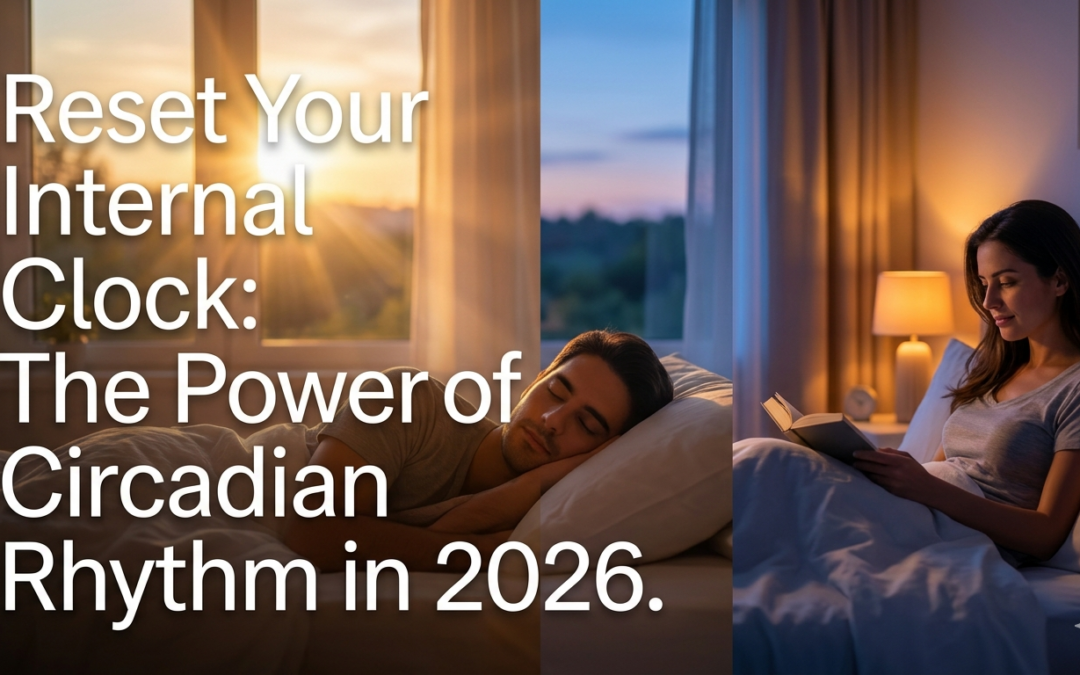
In the bustling world of 2026, where technology continues to advance and our schedules feel more packed than ever, one fundamental truth remains: our bodies are governed by a natural internal clock. This clock, known as the circadian rhythm, orchestrates countless biological processes, from sleep-wake cycles to hormone production and metabolism. However, in our modern environment, this intricate rhythm often becomes disrupted, leading to fatigue, mood swings, and a host of other health issues.
Understanding the power of your circadian rhythm and learning how to reset your internal clock is key to unlocking optimal health and vitality in 2026.
The Modern Challenge: Living out of Sync
Our circadian rhythms are primarily influenced by light exposure. Historically, humans lived in harmony with the natural rising and setting of the sun. Morning sunlight signaled wakefulness, while the dimming light of evening prompted the production of melatonin, the hormone that induces sleep.
However, today’s world presents numerous challenges to this natural balance. We spend much of our time indoors, deprived of bright, natural light during the day. Conversely, we are often exposed to artificial blue light from screens (phones, tablets, computers) late into the night. This conflicting input confuses our internal clocks, causing them to fall out of sync with the external environment.
This circadian disruption, sometimes termed social jet lag, manifests as difficulty falling asleep, waking up feeling groggy, daytime sleepiness, and difficulties with concentration and mood. Over time, chronic disruption can increase the risk of more serious conditions like obesity, diabetes, and cardiovascular disease.
The Benefits of Re-establishing Your Rhythm
When you align your lifestyle with your body’s natural rhythm, you can experience a profound transformation in your well-being. The benefits of a synchronized circadian rhythm in 2026 include:
- Improved Sleep Quality: You’ll fall asleep faster, enjoy deeper rest, and wake up feeling truly refreshed.
- Increased Energy and Alertness: Aligning your activities with your natural energy peaks helps you feel more focused and productive during the day.
- Enhanced Mood and Cognitive Function: A stable internal clock is crucial for maintaining optimal neurotransmitter balance, supporting emotional stability and mental clarity.
- Better Metabolic Health: Circadian rhythms regulate the hormones involved in appetite control, digestion, and metabolism. Alignment can aid in weight management and improve blood sugar control.
- Strengthened Immune Function: Quality sleep, driven by a well-regulated circadian clock, is essential for a robust immune response.
How to Reset Your Internal Clock in 2026
Achieving circadian alignment requires conscious effort and consistency. Here are practical steps you can take today:
1. Prioritize Morning Light Exposure
Get natural sunlight as soon as possible after waking. Step outside for 10-15 minutes, or sit by a bright window. This bright light signals to your brain that the day has begun, suppressing melatonin and setting your clock for the next 24 hours.
2. Establish Consistent Sleep and Wake Times
Go to bed and wake up at the same time every day, even on weekends. Consistency is crucial for reinforcing your sleep-wake cycle. Aim for 7-9 hours of quality sleep per night.
3. Manage Evening Light Exposure
In the 2-3 hours before bedtime, dim the lights in your environment and minimize exposure to blue light from screens. Use blue light filters on your devices or wear blue light blocking glasses.
4. Optimize Your Sleep Environment
Create a sleep-conducive sanctuary. Keep your bedroom cool (around 65°F or 18°C), dark, and quiet. Use blackout curtains and consider white noise machines if necessary.
5. Be Mindful of Eating Times
Try to eat your meals at consistent times during the day and avoid large, heavy meals close to bedtime. Eating signals wakefulness to your body, so late-night eating can delay your clock.
6. When Needed, Consider Short-Term Support
For those experiencing significant circadian disruption—perhaps due to travel across time zones (jet lag), shift work, or periods of intense stress—finding relief can be challenging. While lifestyle adjustments are fundamental, occasional support can help manage symptoms and aid in the resetting process.
If you are struggling with persistent sleep difficulties despite lifestyle changes, exploring available options, including consulting healthcare professionals regarding sleeping tablets, might provide further avenues for support. It is important to remember that such aids should be used thoughtfully and in conjunction with a healthy lifestyle for optimal results.
Embracing Your Rhythms for a Healthier Future
In 2026 and beyond, prioritizing your circadian rhythm isn’t just a wellness trend; it’s a vital strategy for navigating modern life with resilience and energy. By making deliberate choices about light exposure, sleep consistency, and lifestyle habits, you can empower your body’s internal clock to function as nature intended, unlocking the door to optimal health and a truly restful night’s sleep.